DraftB01 · classic
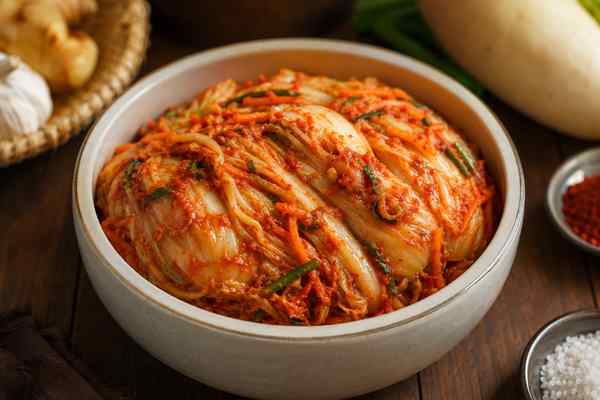
Baechu Kimchi
Napa cabbage quarters are salted until flexible, coated leaf by leaf with a gochugaru, radish, scallion, garlic, ginger, fish-sauce, and salted-shrimp paste, then refrigerated as they ferment.
Banchan · Draft B02
깍두기 · kkakdugi
Crunchy cubes of Korean radish are lightly salted, then coated with gochugaru, garlic, ginger, scallion, fish sauce, and salted shrimp for a bright, gradually souring kimchi.
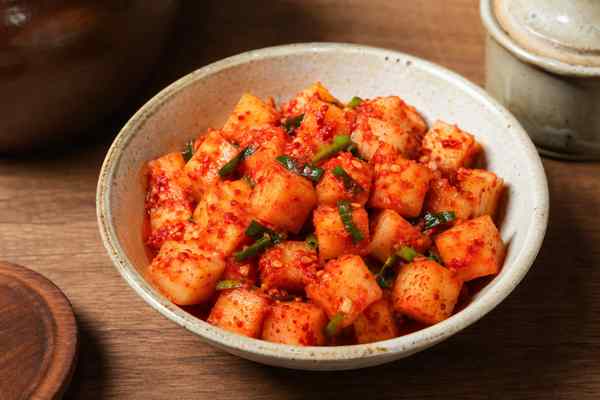
Kkakdugi is a cubed-radish kimchi served across Korean home and restaurant tables, especially alongside soups. Radish size, sweetness, seasoning, and fermentation preference vary; this draft presents one common seafood-seasoned style.
Use time, temperature, and sensory cues together
Wash, peel, and cut the radish into even 2 cm / 3/4-inch cubes.
Time: 15 minutes
Look and feel: Cubes are uniform enough to season and ferment at similar rates.
Safety: Use a clean board and wash produce under cool running water before cutting.
Toss radish with salt and half the sugar. Rest 30 minutes, turning twice.
Time: 30 minutesTemperature: Cool room temperature
Look and feel: The radish glistens, releases some liquid, and remains crisp.
Safety: Keep the bowl protected from raw meat and seafood cross-contact.
Drain the released liquid without rinsing. Let the cubes stand in a clean colander for 5 minutes.
Time: 5 minutes
Look and feel: The cubes are moist but no longer sitting in a pool of liquid.
Safety: Use a sanitized colander and sink area.
Wearing gloves, toss radish with gochugaru first, then add fish sauce, saeujeot, garlic, ginger, remaining sugar, and scallions.
Time: 8 minutes
Look and feel: Every cube has an even red coating and seasoning collects lightly in the bowl.
Safety: Contains fish and shellfish; prevent seasoning from contacting ready-to-eat allergen-free foods.
Press into a clean food-grade container, removing large air pockets and leaving at least 5 cm / 2 inches of headspace.
Time: 5 minutes
Look and feel: Radish is compactly packed and the rim is clean.
Safety: Do not fill to the lid because active fermentation can create gas and overflow.
Refrigerate immediately for a fresh result, or hold in a cool room no more than 8 to 12 hours in this unreviewed draft, venting carefully, then refrigerate at or below 40°F / 4°C.
Time: Optional 8 to 12 hoursTemperature: Cool room, then refrigerator at or below 40°F / 4°C
Look and feel: Small bubbles and a clean tart aroma may develop while cubes stay crisp.
Safety: Discard if mold, putrid odor, or unusual discoloration appears; final fermentation limits require qualified safety approval.
Storage, sourcing, and substitutions
Contains fish and crustacean shellfish; check all packaged seasonings for facility cross-contact.
Make ahead: Cube and salt the radish only on assembly day; minced garlic and ginger may be prepared several hours ahead under refrigeration.
Storage: Keep refrigerated at or below 40°F / 4°C in a clean container with headspace. Label the batch date; an approved shelf-life claim awaits fermentation-safety review.
Reheating: Serve cold or cool; reheating is not recommended for this banchan.
Leftovers: Use more-sour, otherwise sound kkakdugi in a thoroughly cooked dish only after the review team defines a validated storage window.
Questions this draft anticipates
Yes. Salting softens the surface slightly, but evenly cut radish should retain a crisp center.
Yes. Immediate refrigeration gives a fresher profile and slower fermentation.
Video production plan
The manifest reserves 16:9 and 9:16 shot lists, a poster frame, captions, and a transcript. No video player, duration, upload date, or VideoObject is emitted until an approved asset exists.
Continue the table
These links come from immutable recipe IDs in the relationship graph, not free-text URL construction.
DraftB01 · classic
Napa cabbage quarters are salted until flexible, coated leaf by leaf with a gochugaru, radish, scallion, garlic, ginger, fish-sauce, and salted-shrimp paste, then refrigerated as they ferment.
DraftB03 · classic
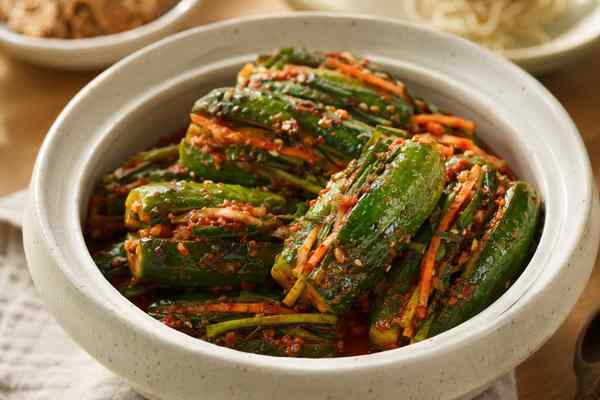
Small cucumbers are cross-slit, briefly salted, and stuffed with a crisp chive, carrot, gochugaru, garlic, fish-sauce, and sesame filling.