DraftB25 · classic
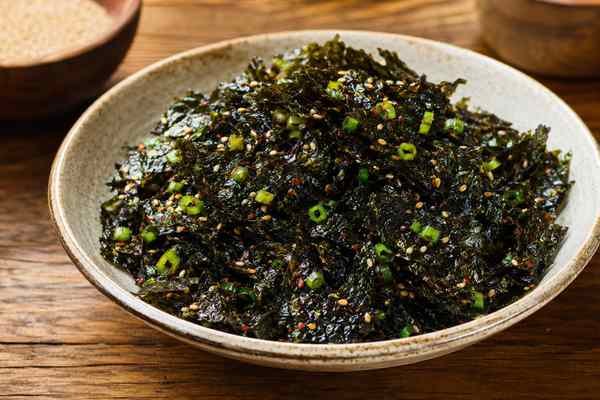
Gim Muchim Seasoned Seaweed
Plain roasted seaweed is torn into bite-size pieces and lightly dressed with soy, sesame, scallion, and rice syrup just before service.
Banchan · Draft B01
배추김치 · baechu gimchi
Napa cabbage quarters are salted until flexible, coated leaf by leaf with a gochugaru, radish, scallion, garlic, ginger, fish-sauce, and salted-shrimp paste, then refrigerated as they ferment.
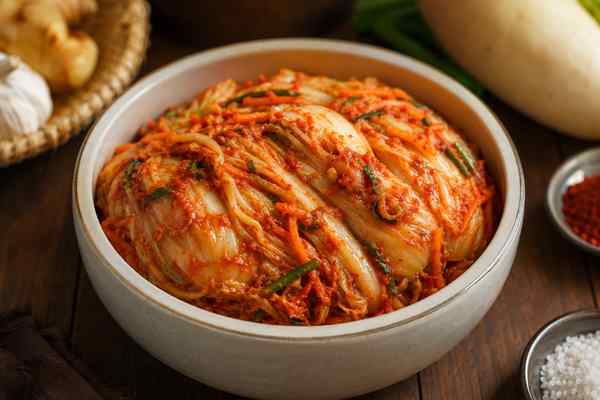
Baechu kimchi is one of many Korean kimchi traditions and is often simply called kimchi in everyday contexts. Recipes vary by household, region, season, dietary practice, and fermentation preference; this draft does not claim one universal formula.
Use time, temperature, and sensory cues together
Trim only protruding core, slit each cabbage through the base, and pull into halves. Wet the leaves, then distribute salt between them, concentrating near the thick white stems.
Time: 20 minutes
Look and feel: Salt is distributed leaf by leaf and the cores still hold each half together.
Safety: Wash cabbage under cool running water before cutting and use a clean food-safe basin.
Rest 2 hours, turning every 30 minutes and ladling accumulated brine over the cabbage.
Time: 2 hoursTemperature: Cool room temperature
Look and feel: The thick stems bend without snapping and the leaves look wilted.
Safety: Keep the basin away from raw meat and seafood preparation areas.
Rinse the cabbage thoroughly in several changes of cold water, split into quarters along the core, and drain cut-side down in a colander.
Time: 45 to 60 minutes
Look and feel: No visible salt remains and water no longer pools between leaves.
Safety: Use potable water and a sanitized colander and sink area.
Whisk water and sweet rice flour in a saucepan. Cook over medium heat, stirring, until bubbling and thickened; add sugar for 1 minute, then cool completely.
Time: 12 minutes plus coolingTemperature: Medium heat
Look and feel: The porridge coats the spoon and is fully cool before seasonings are added.
Safety: Do not mix hot porridge with raw vegetables or pack it warm.
Mix cooled porridge with garlic, ginger, onion, fish sauce, saeujeot, and gochugaru. Fold in radish, carrot, and scallions.
Time: 15 minutes
Look and feel: Vegetables are evenly coated in a thick red paste.
Safety: Wear food-safe gloves and avoid touching eyes; verify fish and shellfish allergens before serving.
Spread a thin layer of paste over every cabbage leaf. Fold each quarter into a packet and press into a clean container, leaving at least 5 cm / 2 inches of headspace.
Time: 25 minutes
Look and feel: Cabbage is compactly packed with minimal trapped air and no paste on the rim.
Safety: Use a clean, nonreactive food-grade container; never pack to the lid because fermentation can create gas and overflow.
For a fresher result, refrigerate immediately. For a more active ferment, hold in a cool room for no more than 8 to 12 hours in this unreviewed draft, venting as needed, then refrigerate at or below 40°F / 4°C.
Time: Optional 8 to 12 hoursTemperature: Cool room, then refrigerator at or below 40°F / 4°C
Look and feel: Early fermentation may show small bubbles and a clean sour aroma; cabbage stays submerged or coated.
Safety: Fermentation duration is pending qualified safety review; discard the batch if mold, putrid odor, or unusual discoloration appears.
Storage, sourcing, and substitutions
Contains fish and crustacean shellfish; verify gochugaru and other packaged ingredients for facility cross-contact.
Make ahead: Prepare and cool the rice-flour porridge up to 1 day ahead under refrigeration; prepare fresh vegetables and seasoning the day of assembly.
Storage: Keep refrigerated at or below 40°F / 4°C in a clean container with headspace. Flavor continues to sour; a validated shelf-life claim requires food-safety review, so label the batch date and inspect before use.
Reheating: Serve cold or at cool room temperature; do not reheat as a standalone banchan.
Leftovers: Use increasingly sour, otherwise sound kimchi in thoroughly cooked dishes only after the final review defines an approved storage window.
Questions this draft anticipates
Yes. It can be served freshly seasoned, then refrigerated as flavor and acidity develop.
Fermentation can produce gas and lift liquid or vegetables, so empty space reduces pressure and overflow risk.
Video production plan
The manifest reserves 16:9 and 9:16 shot lists, a poster frame, captions, and a transcript. No video player, duration, upload date, or VideoObject is emitted until an approved asset exists.
Continue the table
These links come from immutable recipe IDs in the relationship graph, not free-text URL construction.
DraftB25 · classic
Plain roasted seaweed is torn into bite-size pieces and lightly dressed with soy, sesame, scallion, and rice syrup just before service.

DraftB02 · classic
Crunchy cubes of Korean radish are lightly salted, then coated with gochugaru, garlic, ginger, scallion, fish sauce, and salted shrimp for a bright, gradually souring kimchi.