Checkpoint 1
Read the manufacturer’s setting rule
“Tabletop” does not automatically mean indoor-safe. The manual and product labeling determine whether an appliance may be used indoors, outdoors, or only in a specific environment.
- Confirm approved location, clearances, surface, and power or fuel requirements.
- Do not improvise indoor use for an outdoor appliance.
- Keep the manual accessible during setup and cleanup.
Checkpoint 2
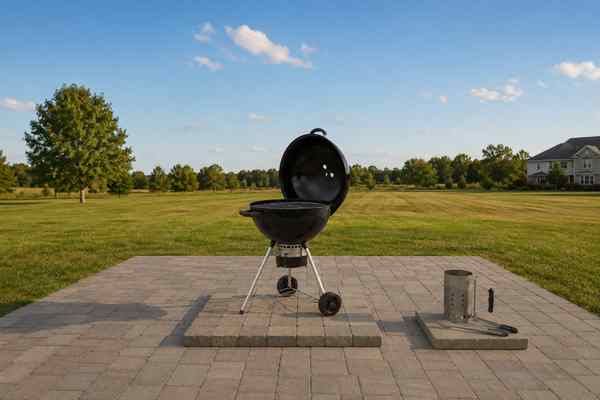
Keep combustion outdoors
Charcoal and fuel-burning outdoor equipment can produce dangerous carbon monoxide. An open window, range hood, fan, or carbon-monoxide alarm does not convert prohibited equipment into an indoor-safe appliance.
- Use charcoal, propane, and outdoor grills only outdoors.
- Keep outdoor equipment away from doors, windows, and enclosed areas.
- Never use a camping stove as a dining-room burner.
Checkpoint 3
Control heat, grease, and traffic
Set the cooking surface on a stable, heat-safe base with the required clearances. Route cords away from walkways, keep children and pets outside the cooking zone, and never leave active equipment unattended.
- Clear paper, fabric, aerosols, and other combustibles.
- Use only drip trays and grease controls specified by the maker.
- Let the unit cool fully before moving or cleaning it.
Checkpoint 4
Apply the same food controls everywhere
Outdoor cooking does not relax temperature or cross-contact rules. Keep raw food cold until needed, use separate utensils, and verify doneness with a calibrated thermometer.
- Carry raw and cooked food on separate platters.
- Discard raw-contact marinade unless a reviewed recipe safely handles it.
- Refrigerate perishable leftovers promptly under the recipe guidance.