Checkpoint 1
Shop by recipe specification
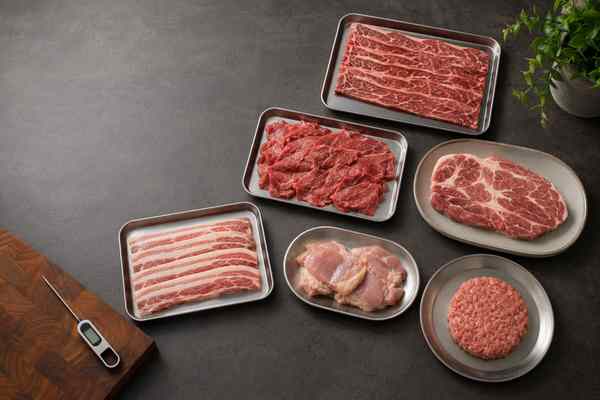
The cut name alone does not describe thickness, trimming, bone, or grain direction. Show the recipe specification to the butcher and confirm whether the packaged cut matches it.
- Check thickness and bone style before purchase.
- Keep raw meat cold during transport and preparation.
- Do not substitute ground meat for intact cuts without a reviewed recipe change.
Checkpoint 2
Use thickness to control pace
Thin slices cook quickly and reward small batches; thicker intact cuts need room, turning control, thermometer access, and any required rest.
- Partially chill only when the recipe uses it for safer slicing control.
- Cut against the grain where the recipe directs.
- Keep portions evenly thick so cues are meaningful.
Checkpoint 3
Keep marinades refrigerated
Mix and reserve any clean serving portion before raw meat contact. Marinate under refrigeration in a food-safe container and follow the recipe’s maximum practical window.
- Label raw-contact containers and tools.
- Discard raw-contact marinade by default.
- Never return cooked meat to the raw platter.
Checkpoint 4
Verify doneness by meat type
Minimum temperature and rest rules differ for intact beef or pork, ground meat, and poultry. Measure the thickest appropriate point and use the recipe’s sensory cues as supporting evidence.
- Calibrate and clean the thermometer.
- Check multiple pieces when thickness varies.
- Follow the recipe’s explicit minimum and rest instruction.