DraftSF15 · classic
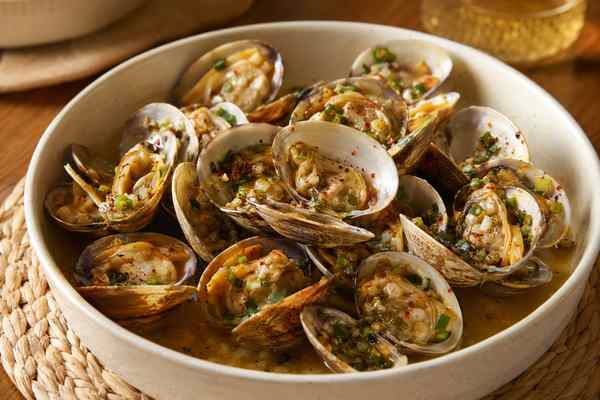
Jogae Gui Grilled Clams
Live hard-shell clams are scrubbed, grilled covered until they open, and finished with garlic-scallion butter; every non-opening clam is discarded.
Seafood · Draft SF01
고추장 새우구이 · gochujang-saeu-gui
Large shrimp briefly marinated in gochujang, soy, honey, garlic, ginger, rice vinegar, and sesame, then skewered and grilled until opaque.
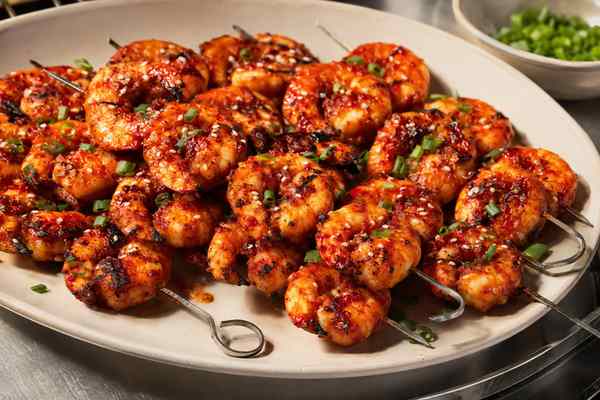
Gochujang is widely used in Korean cooking, including marinades and glazes. This grilled-shrimp formula is a contemporary adaptation for this guide and is not presented as a regionally fixed or ancient dish.
Use time, temperature, and sensory cues together
Thaw frozen shrimp overnight in the refrigerator. Peel and devein with clean tools, then pat very dry with disposable towels; do not rinse.
Time: 10 minutes after thawingTemperature: 40°F / 4°C or below
Look and feel: Shrimp smell mild, feel firm, and have a dry surface with no ice crystals or loose shell.
Safety: Discard leaking packages or shrimp with sour, rancid, or ammonia-like odor; sanitize the prep area after raw seafood.
Whisk gochujang, soy sauce, honey, vinegar, and sesame oil; stir in garlic, ginger, gochugaru, and scallions. Transfer 60 ml / 1/4 cup to a clean finishing bowl.
Time: 5 minutes
Look and feel: The glaze is smooth, red, and brushable.
Safety: Clearly separate and label the clean finishing portion before raw shrimp enters the remaining marinade.
Coat shrimp in the remaining marinade for 10 to 15 minutes under refrigeration, then thread onto metal skewers through both the thick and tail ends.
Time: 10 to 15 minutesTemperature: 40°F / 4°C or below
Look and feel: Shrimp are lightly coated and lie flat on the skewers.
Safety: Discard the raw-contact marinade; do not carry it to the cooked-food side of the grill.
Preheat the approved grill to medium-high. Clean the grate, oil it lightly with a folded oil-dampened towel held by clean tongs, and arrange a clean platter.
Time: 10 minutesTemperature: 400–425°F / 204–218°C grill surface
Look and feel: Skewers sizzle immediately and release after the first side sets.
Safety: Use only manufacturer-approved indoor electric equipment indoors and follow ventilation and grease instructions.
Grill skewers about 2 to 3 minutes on the first side and 1 to 3 minutes on the second, moving them away from hot spots that scorch the glaze.
Time: 4 to 6 minutesTemperature: Official cue: pearly or white and opaque throughout
Look and feel: Centers are opaque, flesh is pearly, and shrimp form a relaxed C rather than a tightly overcooked ring.
Safety: Time, curl, and exterior color are secondary cues; inspect the thickest shrimp for full opacity.
Transfer skewers to the clean platter and brush lightly with the untouched reserved glaze using a clean brush.
Time: 1 minute
Look and feel: The surface is glossy and the shrimp remain opaque.
Safety: Never use the raw-contact marinade or brush on cooked shrimp.
Raw-contact boundary
About 210 ml / 7/8 cup
680 g / 1.5 lb raw shrimp
10 to 15 minutes at 40°F / 4°C or below
Reserve 60 ml / 1/4 cup in a separate clean bowl for finishing before adding raw shrimp.
Discard marinade that contacted raw shrimp and discard any cooking-brush remainder; use only the untouched reserved portion after cooking.
Species-aware preparation
Thaw overnight in a covered container in the refrigerator. For faster thawing, keep shrimp sealed and submerge in cold water, changing the water every 30 minutes; cook immediately afterward.
Peel and devein with clean tools; tails may remain for handling. Do not rinse raw shrimp.
Dry shrimp thoroughly, use a lightly oiled clean surface, and wait until the first side releases naturally before turning.
About 4 to 6 minutes total for large shrimp, depending on size and grill heat.
Not applicable to peeled shrimp; discard removed shells promptly and sanitize the work area.
Storage, sourcing, and substitutions
Check every packaged-ingredient label and prevent cross-contact; substitutions do not guarantee an allergen-free result.
Make ahead: Mix the glaze up to 1 day ahead and refrigerate. Thaw shrimp in the refrigerator and prepare shortly before cooking; marinate only 10 to 15 minutes.
Storage: Refrigerate cooked shrimp within 2 hours at 40°F / 4°C or below and use within 2 days. Discard individual dipping or glaze portions after service.
Reheating: Reheat leftovers to 165°F / 74°C, using brief gentle heat to reduce rubbery texture.
Leftovers: Chop reheated shrimp for a rice bowl or lettuce wrap; add fresh vegetables only after reheating.
Questions this draft anticipates
Only 10 to 15 minutes under refrigeration, with an absolute practical limit of 20 minutes for this salty, acidic formula.
FoodSafety.gov instructs cooking shrimp until the flesh is pearly or white and opaque; inspect the thickest shrimp rather than relying only on time or curl.
Video production plan
The manifest reserves 16:9 and 9:16 shot lists, a poster frame, captions, and a transcript. No video player, duration, upload date, or VideoObject is emitted until an approved asset exists.
Continue the table
These links come from immutable recipe IDs in the relationship graph, not free-text URL construction.
DraftSF15 · classic
Live hard-shell clams are scrubbed, grilled covered until they open, and finished with garlic-scallion butter; every non-opening clam is discarded.
DraftSF02 · contemporary
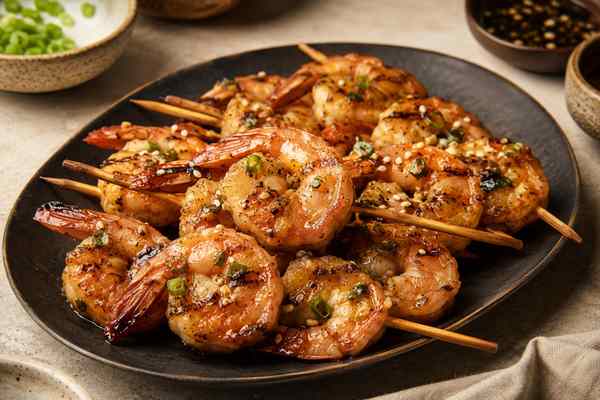
Large shrimp in a quick soy-garlic, honey, rice-vinegar, ginger, scallion, and sesame marinade, grilled until pearly and opaque.