DraftSA02 · classic
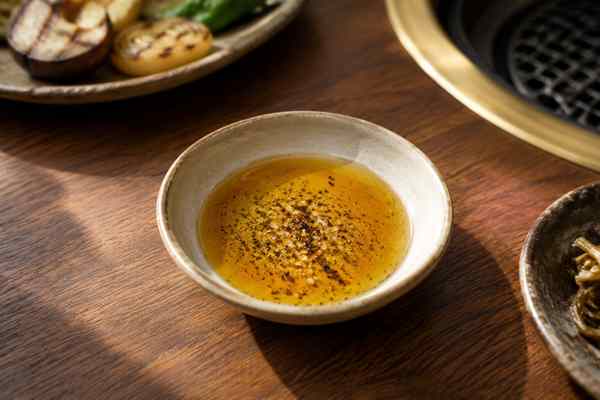
Gireumjang Sesame-Oil Salt Dip
Toasted sesame oil, fine salt, and freshly ground black pepper form a minimalist individual dipping sauce for simply seasoned grilled foods.
Sauces · Draft SA03
초고추장 · cho-gochujang
Gochujang is loosened with rice vinegar and rice syrup, then balanced with sugar, garlic, and sesame seeds for a glossy sweet-tart dipping and dressing sauce.
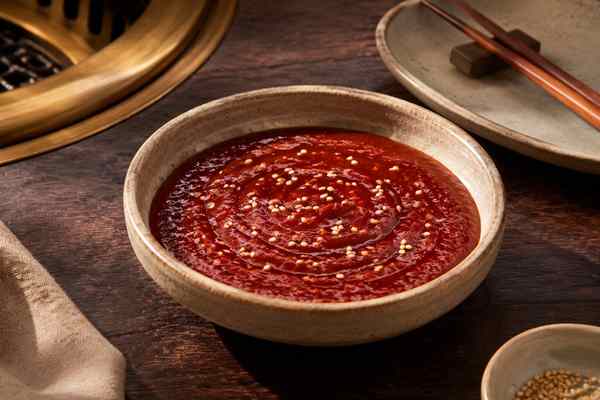
Cho-gochujang, often shortened to chogochujang, is a vinegar-brightened gochujang sauce served with foods including seafood and vegetables. Sweetness, acidity, garlic, and sesame vary; this draft is one practical ratio awaiting Korean review.
Use time, temperature, and sensory cues together
Read the gochujang, vinegar, and rice-syrup labels for soy, wheat/gluten, alcohol, sesame, and other declared allergens.
Time: 2 minutes
Look and feel: Products are within date, properly stored, and match the intended unseasoned vinegar and plain rice syrup.
Safety: Gochujang formulations vary; never infer gluten-free or alcohol-free status from the product name alone.
Whisk gochujang with half the vinegar until smooth before adding the remaining vinegar.
Time: 2 minutes
Look and feel: No dense paste pockets remain and the sauce flows slowly from the whisk.
Safety: Use a clean bowl and whisk for this ready-to-eat sauce.
Whisk in rice syrup and sugar until the sugar is fully dissolved.
Time: 2 minutes
Look and feel: Sauce is glossy with no gritty sugar at the bottom.
Safety: Do not taste with a utensil that will return to the master batch.
Stir in optional grated garlic and sesame seeds. Adjust consistency only after the test kitchen evaluates the locked ratio.
Time: 2 minutes
Look and feel: The sauce is pourable but thick enough to coat a spoon.
Safety: Declare soy, possible wheat/gluten and alcohol, and optional sesame allergens.
Transfer to a clean covered glass container and refrigerate for 20 minutes.
Time: 20 minutesTemperature: At or below 40°F / 4°C
Look and feel: Sauce remains smooth and cohesive after chilling.
Safety: Refrigerate promptly, especially when fresh garlic is included.
Spoon into individual dishes and keep the master container refrigerated, replenishing only with a clean spoon.
Time: ImmediateTemperature: Cold or cool
Look and feel: Table portions are shallow and the stored batch remains untouched.
Safety: Discard any portion contacted by raw seafood, raw meat, or used eating utensils.
Storage, sourcing, and substitutions
Contains soy and may contain wheat/gluten or alcohol; optional sesame adds another major allergen. Verify labels and portion separately from raw seafood.
Make ahead: Make up to 1 day ahead and refrigerate; whisk before portioning.
Storage: Refrigerate in a clean airtight container at or below 40°F / 4°C and use within 7 days; this conservative draft limit requires food-safety review.
Reheating: Do not heat; serve cold or cool.
Leftovers: Save only untouched sauce from the clean master container; discard all individual table portions after service.
Questions this draft anticipates
The vinegar component brightens and loosens the fermented chile paste, creating a tangy dipping consistency.
Only a separate disposable portion should contact raw food; never return it to the refrigerated master batch.
Video production plan
The manifest reserves 16:9 and 9:16 shot lists, a poster frame, captions, and a transcript. No video player, duration, upload date, or VideoObject is emitted until an approved asset exists.
Continue the table
These links come from immutable recipe IDs in the relationship graph, not free-text URL construction.
DraftSA02 · classic
Toasted sesame oil, fine salt, and freshly ground black pepper form a minimalist individual dipping sauce for simply seasoned grilled foods.
DraftSA04 · classic
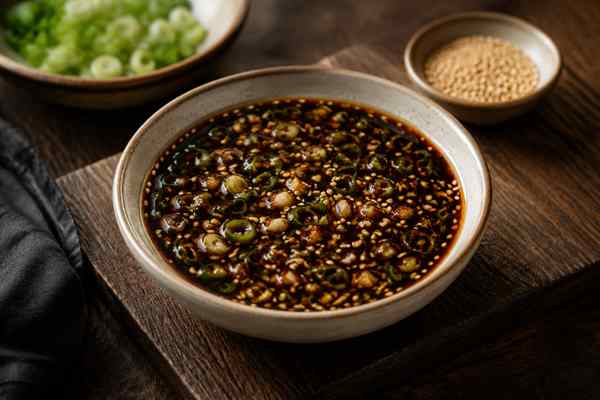
Soy sauce is brightened with scallion, garlic, gochugaru, sesame, and a small amount of sweetener for spooning or dipping.