Checkpoint 1
Start with the recipe labels
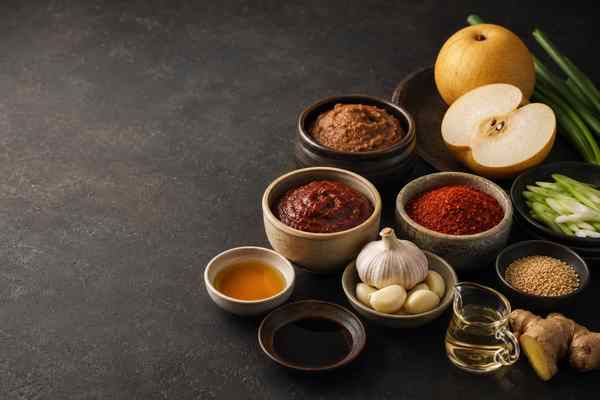
Gochujang, doenjang, ganjang, toasted sesame oil, gochugaru, and rice vinegar cover many recipes in this collection, but brands differ in salt, sweetness, heat, fermentation, and allergens.
- Compare ingredient and allergen labels every time you buy.
- Choose gochugaru form and heat level specified by the recipe.
- Do not treat soy sauce, soup soy sauce, and seasoning sauce as identical.
Checkpoint 2
Build around three flavor jobs
Fermented pastes bring body and depth, soy-based seasonings bring salt and savoriness, and fresh aromatics create the top notes. Sweetener, acid, sesame, and chile adjust the balance.
- Keep garlic, scallions, ginger, and onion in the active plan.
- Taste a clean portion before it touches raw food.
- Adjust only within the recipe’s stated ranges during testing.
Checkpoint 3
Store by package direction
Refrigeration, shelf life, and handling vary by product. The package and manufacturer instructions take priority over a generic pantry rule.
- Date opened containers without inventing an expiration date.
- Use clean dry utensils to reduce contamination.
- Discard products showing spoilage or compromised packaging.
Checkpoint 4
Plan substitutions honestly
A substitution can change salt, texture, fermentation character, heat, and allergen exposure. Call it an adaptation and retest the finished recipe rather than claiming equivalence.
- Use certified alternatives when a recipe specifically permits them.
- Recheck every prepared sauce for wheat, soy, fish, or shellfish.
- Keep original and substitute containers available for guest label review.